
Eco-Friendly Materials for Custom Insulated Products: A Sustainable Guide
In the current business environment, sustainability is no longer just a buzzword; it’s a critical factor that can determine a company’s success. As companies strive to meet the expectations of increasingly eco-conscious consumers, the demand for eco-friendly materials has surged, particularly in the production of custom insulated products. These eco-friendly products, including premium beverage containers, serve as essential tools for businesses aiming to deliver quality while also demonstrating their commitment to the environment and sustainability.
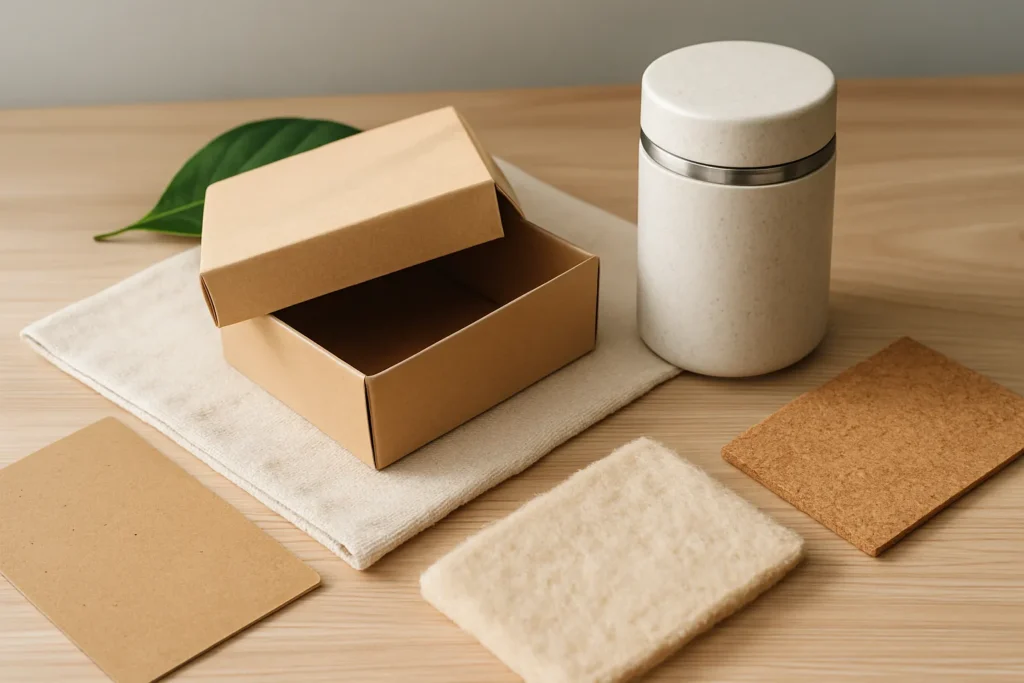
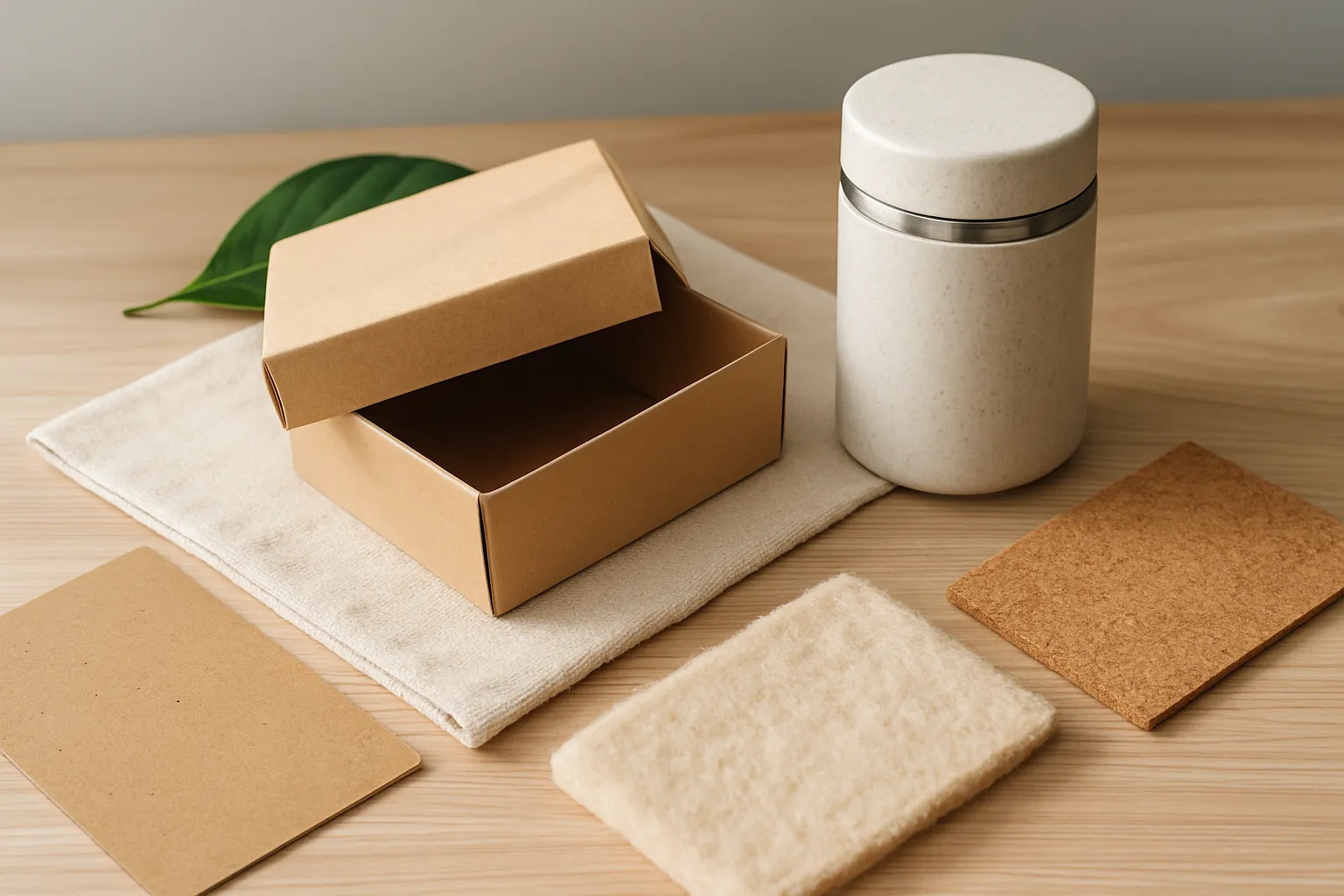
There are several eco-friendly materials available for manufacturing custom insulated products. Here’s a closer look at some of the most popular options:
- Biodegradable Plastics: These materials break down naturally over time, significantly reducing their environmental impact. Often derived from renewable resources such as corn starch or sugarcane, they represent a solid choice for sustainability-focused companies.
- Recycled Metals: Utilizing recycled metals like aluminum or stainless steel not only conserves natural resources but also reduces energy usage during production. These durable materials are perfect for high-quality insulated products, making them an attractive option for businesses aiming to boost their eco-friendly profile.
- Sustainable Fabrics: Fabrics crafted from organic cotton, hemp, or bamboo are gaining popularity in the production of custom insulated products. These materials are not only biodegradable but also produced with fewer chemicals compared to traditional fabrics, aligning perfectly with sustainability goals.
When selecting eco-friendly materials for custom insulated products, it’s vital for businesses to consider key specifications that ensure quality and performance:
- Insulation Performance: The primary purpose of insulated products is to maintain temperature. Thus, the eco-friendly materials chosen must provide effective insulation to keep beverages at their desired temperatures.
- Material Durability: In the B2B market, durability is paramount. Materials should be able to withstand daily use and potential wear and tear, ensuring that products remain functional over time.
- Customization Options: Businesses should evaluate how easily the materials can be customized. Eco-friendly materials that allow for effective printing or branding can enhance marketing efforts and product visibility.
Eco-friendly custom insulated products have a wide range of applications across various industries:
- Beverage Containers: Premium beverage containers made from eco-friendly materials can attract consumers who prioritize sustainability. These products range from reusable water bottles to insulated coffee mugs, appealing to a diverse audience.
- Food Packaging Solutions: Insulated food packaging made from sustainable materials helps maintain food temperature during transport, which is especially relevant for businesses in the food service industry seeking to minimize their environmental footprint.
- Promotional Items: Companies can effectively leverage eco-friendly insulated products as promotional items. Custom-branded insulated containers not only serve as excellent marketing tools but also demonstrate a commitment to sustainability.
When selecting the right eco-friendly material, businesses should consider several factors:
- Cost vs. Sustainability: While eco-friendly materials may come with a higher initial price tag, the long-term benefits often justify the investment. Companies should assess their budgets alongside potential returns on investment.
- Performance Metrics: Evaluating the performance of various materials is essential. Businesses should consider insulation effectiveness, durability, and customization ease when making their decisions.
- Aesthetic Appeal: The visual aspect of eco-friendly materials can significantly influence consumer choices. Products that are not only functional but also visually attractive can enhance brand perception.
Finding reliable suppliers is crucial for businesses aiming to implement eco-friendly options:
- Finding Reliable Suppliers: Researching suppliers who specialize in eco-friendly materials is essential. Companies should seek those with a solid reputation for sustainable practices.
- Certifications to Look For: Certifications such as FSC (Forest Stewardship Council) or Cradle to Cradle can help businesses identify trustworthy suppliers dedicated to sustainability.
- Cost Considerations: While sourcing eco-friendly materials, businesses should factor in not just the initial costs but also potential savings from waste reduction and enhanced brand loyalty.
Integrating eco-friendly materials into product lines requires thoughtful planning:
- Integrating Eco-Friendly Options: Businesses should gradually introduce eco-friendly materials into their offerings, starting with a few key products to gauge market response.
- Marketing Sustainable Products: Emphasizing the eco-friendly features of products in marketing initiatives can attract consumers who prioritize sustainability.
- Training Staff on New Materials: Ensuring that employees are well-informed about the benefits and handling of eco-friendly materials is vital for a smooth transition.
FAQs about Eco-Friendly Custom Insulated Products
- What Makes a Material Eco-Friendly? Eco-friendly materials are those that minimize environmental impact through biodegradability, recycling, or sustainable sourcing.
- How to Ensure Quality? Businesses should conduct thorough testing and collaborate with reputable suppliers to guarantee that eco-friendly materials meet necessary performance standards.
- Are Eco-Friendly Products More Expensive? Although the initial cost may be higher, the long-term advantages, including increased brand loyalty and a reduced environmental footprint, often justify the investment.
In conclusion, transitioning to eco-friendly materials for custom insulated products is not merely a trend; it’s a necessity for businesses aiming to thrive in a competitive market. By understanding the various material types available, their specifications, and effective sourcing strategies, companies can successfully weave sustainability into their product lines, appealing to a growing demographic of environmentally conscious consumers.